Introduction
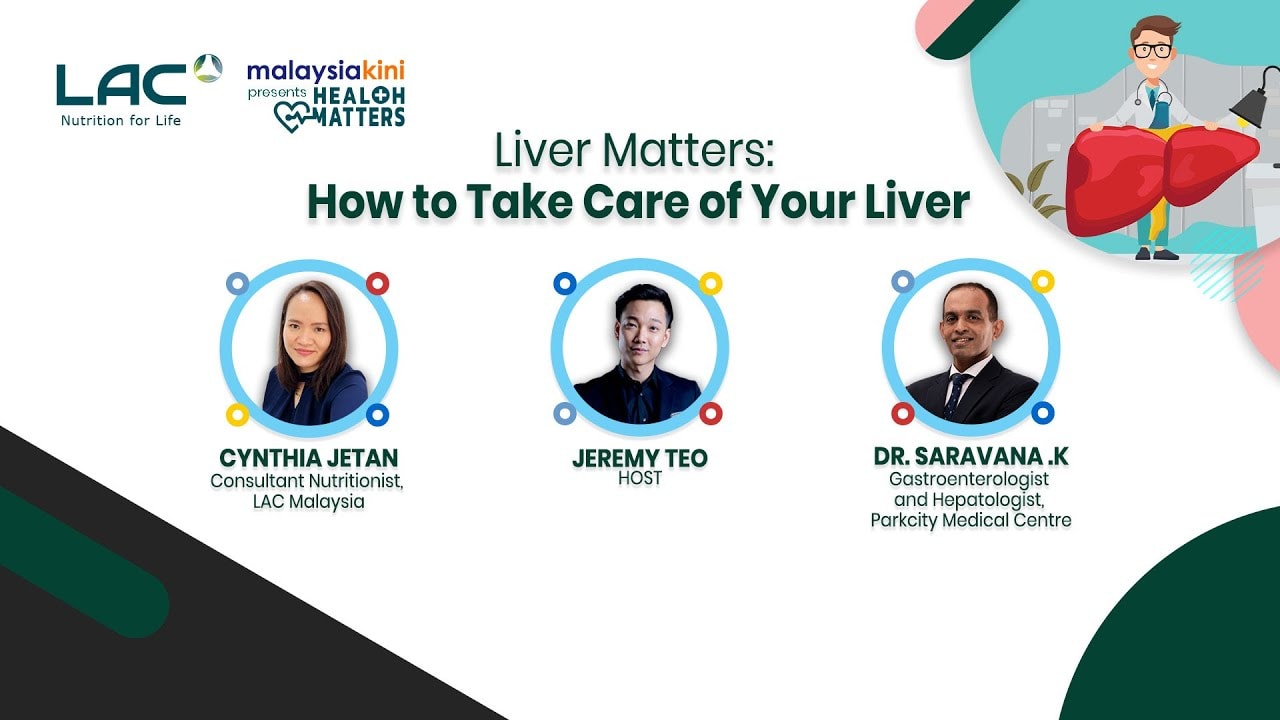
The liver, often overlooked, is crucial for our body’s functioning. “Liver Matters: How to Take Care of Your Liver,” hosted by Jeremy Teo, brings together Cynthia Jetan, a consultant nutritionist, and Dr. Saravana K, a gastroenterologist and hepatologist, to shed light on liver health. This post delves into their insights, offering a comprehensive look at liver functions, diseases, symptoms, and lifestyle tips for maintaining a healthy liver.

The Liver’s Multifaceted Role
Understanding Liver Functions
The liver is pivotal in over 500 bodily functions. It’s not just about alcohol detoxification; it processes nutrients, produces bile, stores vitamins, and filters toxins. Its remarkable regenerative ability highlights its resilience and importance.
Common Liver Diseases and Causes
Alcohol-Related Liver Disease
Excessive alcohol can cause fatty liver, alcoholic hepatitis, and cirrhosis. The liver’s overwhelmed processing of alcohol leads to inflammation and scarring, with binge drinking exacerbating the damage.
Viral Hepatitis
Hepatitis B and C, transmitted through blood and bodily fluids, can cause chronic liver disease and increase liver cancer risk. Dr. Saravana K stresses safe practices to prevent these infections.
Fatty Liver Disease
Linked to obesity, diabetes, and high cholesterol, this condition involves excess fat in the liver, increasingly prevalent due to modern lifestyle choices.
Symptoms of Liver Disease
Identifying Early Signs
Subtle early symptoms like fatigue and lethargy can escalate to jaundice, abdominal swelling, and mental state changes. Regular screenings are crucial for early detection.
Diagnosis and Treatment
Navigating Liver Health
Diagnosis involves blood tests and imaging like ultrasounds or CT scans. Treatment varies, ranging from lifestyle changes to medication, and in severe cases, liver transplantation.
Lifestyle and Liver Health
Impact of Daily Habits
- Diet: Opt for a balanced diet with fruits, vegetables, lean protein, and whole grains. Minimize processed foods and excess sugar.
- Exercise: Regular activity controls weight and reduces fatty liver disease risk.
- Alcohol Consumption: Drink in moderation to avoid liver damage.
- Stress Management: Manage stress through meditation, yoga, and exercise to support liver function.
Preventing Liver Damage
Proactive Health Measures
- Vaccinations: Essential for hepatitis A and B prevention.
- Safe Practices: Reduce viral hepatitis risk through safe sex and avoiding needle sharing.
- Regular Health Screenings: Detect liver issues early with annual check-ups.
The Impact of Obesity and Diabetes on Liver Health
Addressing Key Risk Factors
Obesity and diabetes significantly increase the risk of liver disease. Managing these through diet, exercise, and medication is crucial.
Alcohol and Liver Health
Understanding Consumption Effects
The liver processes alcohol, and excessive intake can cause severe damage. Moderation is key.
Hereditary Factors in Liver Health
Genetic Considerations
Diseases like Wilson’s disease and hemochromatosis have genetic links. Family history warrants proactive screening and counseling.
Conclusion
The liver’s health is vital for overall well-being. Understanding its functions, recognizing signs of issues, and making informed lifestyle choices are key to maintaining liver health. Remember, caring for your liver is caring for your life.