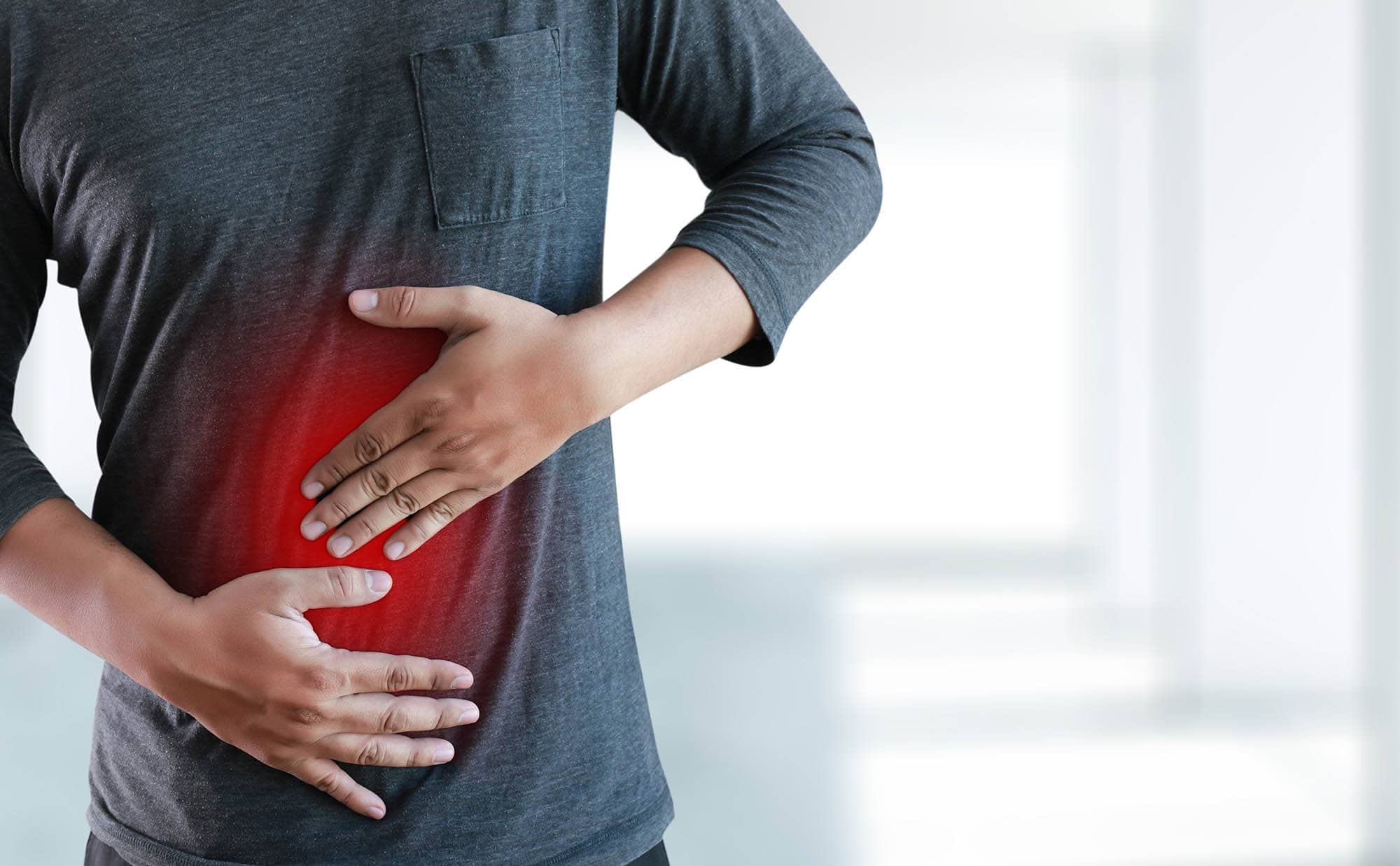
GERD is a condition that occurs when stomach acid or, occasionally, bile flows back (refluxes) into your food pipe (oesophagus). The backwash of acid irritates the lining of your oesophagus and causes GERD signs and symptoms. It is one of the most common digestive conditions that many people experience from time to time. These symptoms can interfere with your daily acitivities.
- 15% of individuals have symptoms of GERD at least once a week
- 7% have symptoms daily
- 25% of Asians are affected with GERD symptoms
GERD can present with the following symptoms:
- A burning sensation in your chest (heartburn), sometimes spreading to the throat, along with a sour taste in your mouth
- Chest pain
- Difficulty swallowing
- Dry cough
- Hoarseness or sore throat
- Regurgitation of food or sour liquid (acid reflux)
- Sensation of a lump in the throat
When you swallow, the lower esophageal sphincter — a circular band of muscle around the bottom part of your oesophagus — relaxes to allow food and liquid to flow down into your stomach. Then it closes again.
However, if this valve relaxes abnormally or weakens, stomach acid can flow back up into your esophagus, causing frequent heartburn and disrupting your daily life.
GERD symptoms can also be aggravated by a number of medications – either through impaired valve function or by damaging the oesophageal surface.
This constant backwash of acid can irritate the lining of your oesophagus, causing it to become inflamed (oesophagitis). Over time, the inflammation can erode the oesophagus, causing complications such as bleeding or breathing problems.
Conditions that can increase your risk of GERD include:
- Obesity
- Hiatal hernia
- Pregnancy
- Smoking
- Dry mouth
- Asthma
- Diabetes
- Delayed stomach emptying
- Connective tissue disorders, such as scleroderma
Over time, chronic inflammation in your esophagus can lead to complications, including:
- Narrowing of the oesophagus (oesophageal stricture). Damage to cells in the lower esophagus from acid exposure leads to formation of scar tissue. The scar tissue narrows the food pathway, causing difficulty swallowing.
- An open sore in the oesophagus (oesophageal ulcer). Stomach acid can severely erode tissues in the oesophagus, causing an open sore to form. The esophageal ulcer may bleed, cause pain and make swallowing difficult.
- Precancerous changes to the oesophagus (Barrett’s oesophagus). In Barrett’s oesophagus, the color and composition of the tissue lining the lower oesophagus change. These changes are associated with an increased risk of esophageal cancer. The risk of cancer is low, but your doctor will likely recommend regular endoscopy exams to look for early warning signs of oesophageal cancer.
Most people can manage the discomfort of heartburn with lifestyle changes and over-the-counter medications.
Lifestyle modifications:-
- taking frequent small meals
- avoid food that can aggravate the condition eg. fatty and oily food
- avoid excessive alcohol
- to avoid tight fitting cloths
- to elevate the head of the bed by 30 degrees
- to have an interval of 3 hours between meals and bedtime to reduce symptoms due to reflux
- weight loss
When should you consult your doctor?
GERD can be diagnosed by doing an endoscopy which involves inserting a scope through the mouth down to the stomach to assess the internal surfaces of the stomach, oesophagus and duodenum. The scope will show any inflammation and enable a biopsy to be done to determine the presence of cancer.
Seek immediate medical attention if you experience the following symptoms:
- If you take over-the-counter medications for heartburn more than twice per week
- Chest pain, especially when accompanied by other signs and symptoms, such as shortness of breath or jaw or arm pain. These may be signs and symptoms of a heart attack
- Difficulty swallowing
- Feeling tired due to lack of blood
- Loosing weight , reduced apetite
- Persistent vomiting